If your car’s picked up a dent, a scratch, or worse, one of the first things you’ll want to know is ‘how long does car body repair take?’. This dictates how long you’ll be without your car, or how long you’ll be in a courtesy vehicle.
It depends on the type of damage, the parts involved, and whether insurance is footing the bill.
Below we’ve broken down realistic timeframes for every common repair, the factors that speed things up or slow them down, and how to keep your repair on track.
At a Glance: How Long Do Car Body Repairs Take?
Here’s a quick summary of what to expect, repair type by repair time:
| Repair Type | Typical Timeframe |
| Minor scratch / paintless dent repair (PDR) | Same day – 1 day |
| Bumper scuff (SMART repair) | 1–2 days |
| Bumper repair or replacement | 2–4 days |
| Panel replacement | 3–7 days |
| Full vehicle respray | 7–14 days |
| Minor insurance/accident repair | 3–10 days |
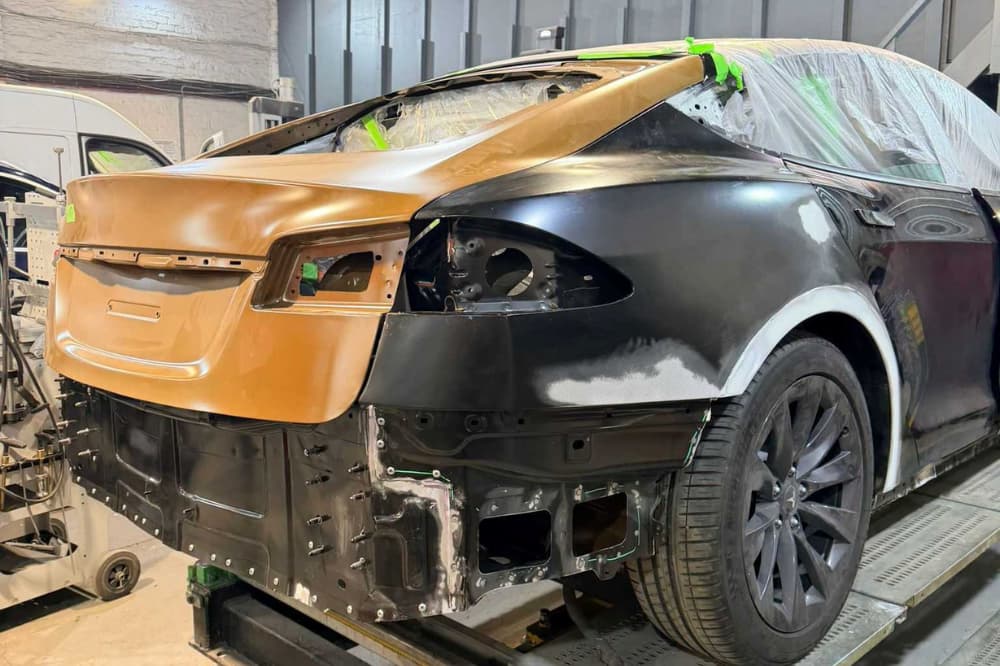
| Major or structural accident repair | 2–6 weeks |
These are estimates only, and a professional assessment is the only way to get an accurate timeframe for your specific repair.
What Factors Affect Car Body Repair Time?
No two repairs are quite the same, and a few key factors determine where your job lands on the timeline above.
Severity of Damage
Cosmetic damage, including light scratches, small dents, and scuffed bumpers, is usually repaired faster than anything structural or safety-critical. A repair that looks straightforward on the surface can also take longer than expected if hidden damage is found once the panel is stripped back.
Parts Availability
Genuine, manufacturer-approved parts can take longer to source than aftermarket alternatives, especially for electric and hybrid vehicles or specialist manufacturer models. If you drive a Tesla or BMW, for example, parts are often sourced directly from the manufacturer to keep any warranty intact, which can add a little extra lead time compared with more common models.
Insurance Approval
Insurance-approved repairs need inspection and sign-off before work begins. If additional or hidden damage is found once the vehicle is stripped down, that also needs separate authorisation before work can continue — which is usually where the biggest delays creep in.
Repair Method
SMART repairs and paintless dent removal are quicker than traditional bodywork and repainting, since they skip the need for full repainting and curing time. It’s worth noting that the repair method also affects how much your car body repair costs. Generally speaking, the faster methods are also the more affordable ones.
Workshop Capacity
Busy periods and existing bookings can add to the wait before your repair even starts, particularly around peak times of year — which is one of the biggest influences on your car body shop’s turnaround time overall.
How Long Does Each Type of Repair Take?
Repair times vary depending on the damage, the method used, and whether paintwork is involved. Here’s a rough guide for each type of job.
How Long Does Scratch Repair Take?
- Surface or clear coat scratch: usually the same day
- Single panel scratch: 1–2 days
- Multi-panel or deep scratch: 2–4 days
How Long Does Dent Repair Take?
The method used makes a big difference to turnaround time:
| Paintless Dent Removal (PDR) | Traditional Dent Repair |
| Often completed same day | 2–5 days |
| No repainting required | Repainting and curing time required |
| Best for minor, accessible dents | Needed when paint is damaged, or the dent is more severe |
How Long Does Bumper Repair Take?
- Minor scuffs (SMART repair): 1–2 days
- Cracks or splits: 2–4 days
- Full bumper replacement: 3–5 days, since the new bumper needs painting before it’s refitted
How Long Does a Respray Take?
- Single panel: 2–4 days
- Full side of the vehicle: 4–7 days
- Full vehicle respray: 7–14 days
Resprays take longer than most people expect because of everything that happens before and after the paint goes on. Masking, sanding, multiple coats, and proper curing time are all included, and rushing any of these steps can lead to a poor finish.
As a rough rule: the more of your car’s original panel and paint you keep, the faster the repair. Full replacement and resprays will always take longer than a targeted, localised fix.
How Long Do Insurance and Accident Repairs Take?
This is where the timeline varies the most. So much of the process happens before a technician even touches your car. Inspection, approval, and parts ordering all have to happen first.
- Minor accident damage: 3-10 days, once approved
- Major or structural damage, or undriveable vehicle: 2-6 weeks, with a courtesy car provided in most cases while repairs are carried out
If you’re going through insurance, our accident management team can guide you through the claims process and help keep delays to a minimum.
The Car Body Repair Process, Step by Step
Understanding what actually happens to your car helps explain why even a ‘simple’ repair takes the time it does. Here’s our process, carried out to BSI 10125 standards:
- Initial inspection and assessment: the damage is assessed, and a repair plan is agreed
- Parts ordering: any required parts are sourced, using genuine manufacturer-approved parts where needed
- Structural repair: chassis or frame alignment work is carried out if required
- Body repair: panels are repaired or replaced and surfaces prepared for paint
- Paintwork and curing: the vehicle is resprayed and given proper time to cure
- Reassembly and recalibration: parts are refitted, and safety systems such as ADAS cameras are recalibrated where applicable
- Collection: your car is handed back, backed by our Repair Authenticity Guarantee
How to Speed Up Your Car Body Repair
- Book your assessment as soon as you notice the damage, rather than waiting
- Provide clear photos and vehicle details upfront, so parts can be identified and ordered sooner
- Ask about parts availability before booking, especially for EVs or specialist models
- Choose a manufacturer-approved repairer to avoid delays sourcing parts later on
- If it’s an insurance job, have your policy details ready to help speed up approval
Get an Accurate Repair Timeframe
Every repair is different, which is why we assess your vehicle in person before giving you a timeframe. Get in touch, and we’ll give you honest, realistic expectations from the start.
Frequently Asked Questions
How long does it take to repair a car scratch?
Surface scratches can often be repaired the same day, while single or multi-panel scratches typically take 1-4 days depending on depth and how many panels are affected.
Can I still drive my car while it’s waiting for repair?
It depends on the severity of the damage. If your car is safe and roadworthy, you can usually keep driving it until your booked repair date. If it’s been deemed unroadworthy, particularly with an insurance claim, it shouldn’t be driven and will typically come in for repair straight away.
Does an EV or luxury car take longer to repair?
It can do, mainly because parts for electric, hybrid, and specialist manufacturer vehicles are often sourced directly from the manufacturer to protect your warranty, which can add a little extra lead time compared with more common models and aftermarket parts.
Does insurance repair take longer than paying privately?
Usually yes. Private repairs can be booked and started as soon as parts are available, while insurance repairs need inspection and approval first, which adds time before any physical work begins.
How do I know if my repair is taking too long?
As a general guide, a minor repair running past 5 days, or a moderate repair past 10 days, is worth checking in about. For major accident repairs, anything approaching or beyond 6 weeks is worth a status update. A good repairer should keep you informed without you having to chase.