Most people only go through the car accident repair process once or twice in their lifetime, which makes it feel a lot more daunting than it needs to be. From the moment your car arrives with us to the moment you collect it, there’s a clear, structured sequence of steps behind the scenes — and understanding it can make a stressful situation feel a lot more manageable.
Below we’ve broken down the whole journey, from the insurance admin before any work starts, through to the technical repair work itself.
Before the Repair Begins
Before a single tool touches your car, a few things need to happen first:
- Notify your insurer: if it’s an insurance job, you’ll need to report the accident and get a claim number, which you’ll pass on to your repairer
- Vehicle recovery or drop-off: if your car isn’t driveable, it’ll be recovered to the workshop; if it’s safe to drive, you can bring it in yourself
- Courtesy car: if your vehicle is undriveable, a courtesy or replacement car is usually arranged while repairs are carried out
- Check your policy excess: it’s worth knowing this figure upfront, since it may be payable before your car is released
If you’re not sure where to start, our accident management team can guide you through this stage from start to finish.
The Car Accident Repair Process, Step by Step
Once your car is with us, here’s what happens, from arrival to collection:
- Initial inspection and assessment: the damage is assessed, and a repair plan is put together
- Repair estimate and insurance authorisation: the estimate is agreed, or sent to your insurer for sign-off
- Vehicle disassembly and parts ordering: damaged areas are stripped back, and any required parts are ordered
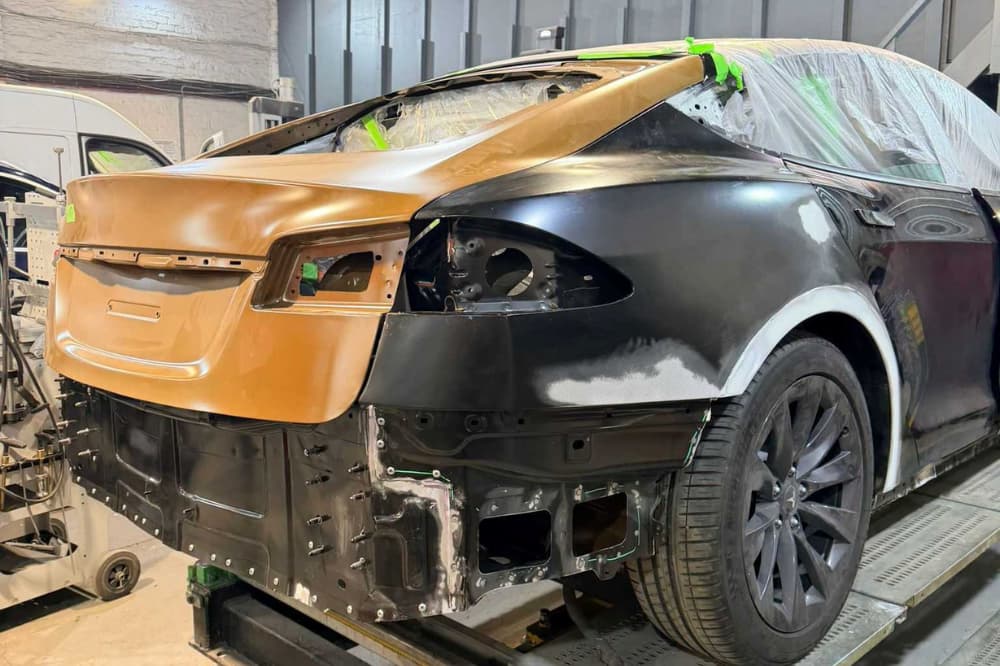
- Structural repair: chassis or frame alignment work is carried out, if required
- Bodywork and panel repair: panels are repaired or replaced and prepared for paint
- Paintwork and colour matching: the vehicle is resprayed and given time to cure properly
- Reassembly and recalibration: parts are refitted, and safety systems such as ADAS (Advanced Driver Assistance Systems) cameras are recalibrated where needed
- Final checks and collection: a full quality inspection is carried out before your car is handed back
Insurance-Approved vs Private Repairs
Whether you’re going through insurance or paying privately changes a few things about how your repair plays out:
| Insurance-Approved Repair | Private Repair |
| Requires inspection and sign-off before work starts | Can start as soon as parts are available |
| Courtesy car usually included | Courtesy car not always provided |
| Excess may be payable on collection | No excess, just the agreed repair cost |
| You can still choose your own repairer | You choose your repairer directly |
Even if your insurer suggests one of their ‘approved’ repairers, you have the right to choose who repairs your car.
Repairs for EVs and Manufacturer-Approved Vehicles
Electric, hybrid, and specialist manufacturer vehicles often need a bit of extra care during the repair process. Parts are frequently sourced directly from the manufacturer to keep any warranty intact, and EVs require specialist high-voltage safety checks that a standard repair doesn’t.
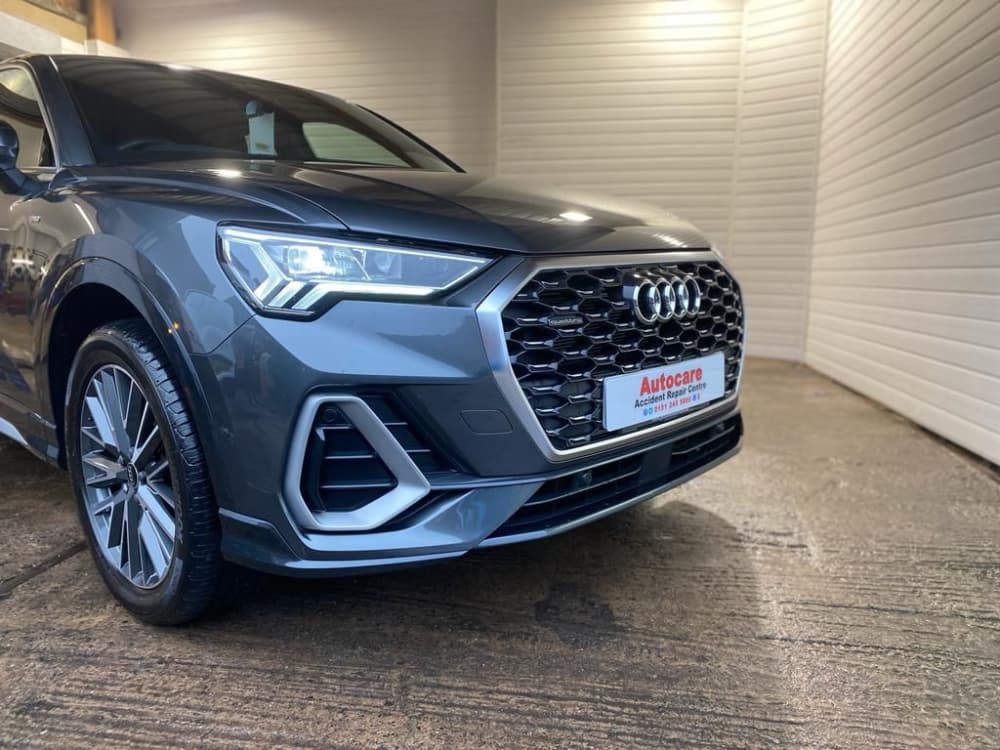
Choosing a manufacturer-approved repairer ensures the right equipment, parts, and expertise are used from start to finish. Common manufacturers we repair at Autocare include Audi, Mini, Tesla, and Volkswagen.
How to Help Your Repair Go Smoothly
- Report the accident and book your assessment as soon as possible
- Have your insurance details and policy number ready if it’s a claim
- Provide clear photos of the damage upfront, to help speed up parts ordering
- Ask about parts availability early, especially for EVs or specialist models
Been in an Accident?
We’ll guide you through every step of the repair process, from your first call to collecting your car. Get in touch, and we’ll take it from here.
Frequently Asked Questions
How long does the car accident repair process take?
It depends on the extent of the damage. Minor repairs can take a few days, while major or structural repairs can take several weeks. For a full breakdown by repair type, see our blog on How Long Does Car Body Repair Take?
Can I choose which repair centre fixes my car?
Yes. Even if your insurer recommends an approved repairer, you have the legal right to choose who carries out the work on your vehicle.
Will I get a courtesy car during the repair?
In most cases, yes, if your vehicle isn’t drivable and the repair is going through insurance. Availability can vary, so it’s worth confirming this when you book.
Do I need to pay anything before my car is returned?
If you’re claiming through insurance, you may need to pay your policy excess before your car is released. Private repairs are paid according to the agreed repair cost.
Will ADAS and safety systems be checked as part of the repair?
Yes. Where a vehicle has driver assistance systems, such as cameras or sensors, they are recalibrated during reassembly to ensure they work correctly after the repair.